
Super Corridor Vs Ujjain Road: Where Should You Invest in Indore in 2027?
Compare prices, connectivity, rentals, infrastructure, and growth across Indore’s top corridors.
Read MoreBuying or selling a property? Reach out anytime - we’re here to assist.

Use your registered mobile number or email to continue.
Verify your mobile to save homes and access your dashboard.
Buying or selling a property? Reach out anytime - we’re here to assist.
Buying or selling a property? Reach out anytime - we’re here to assist.
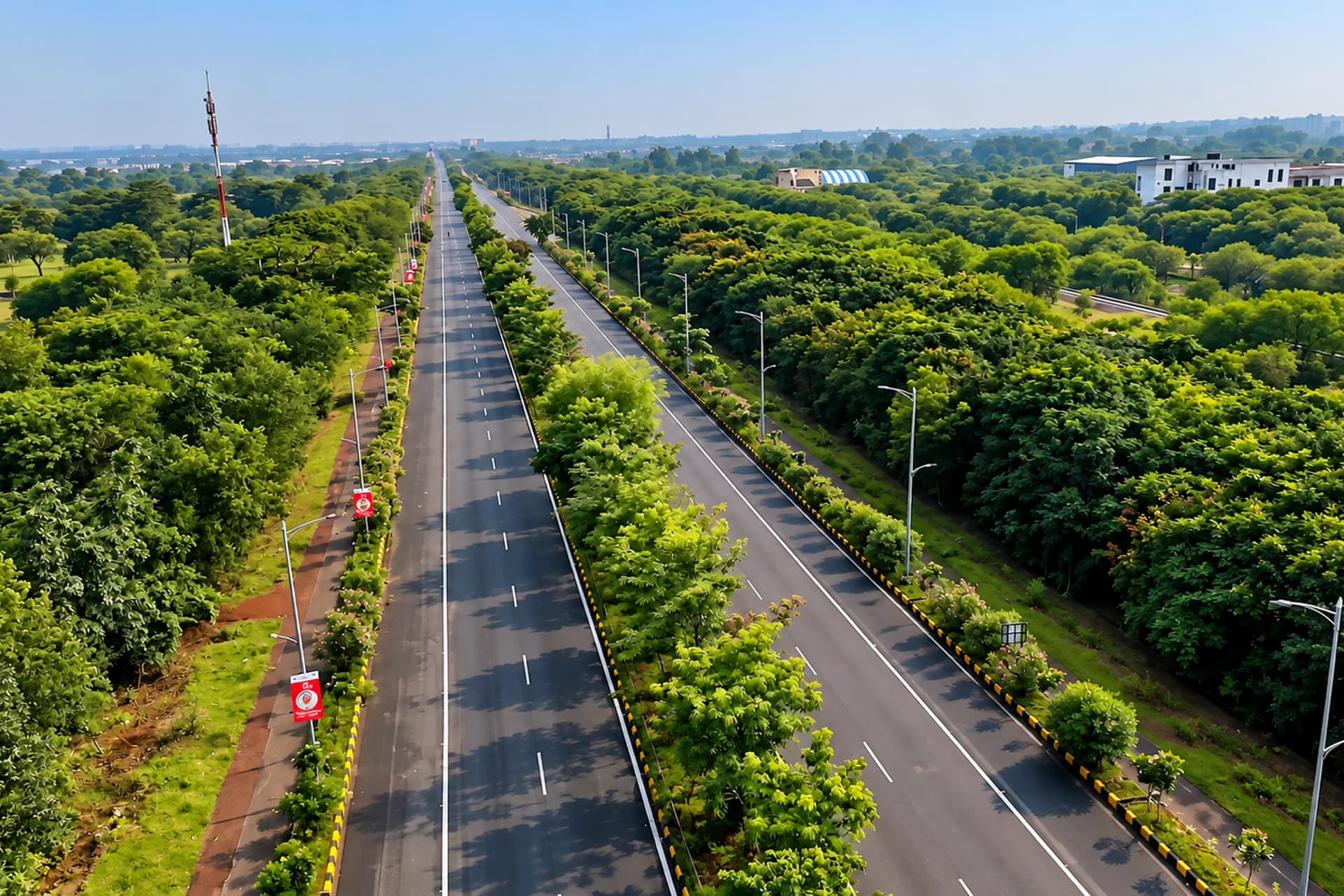
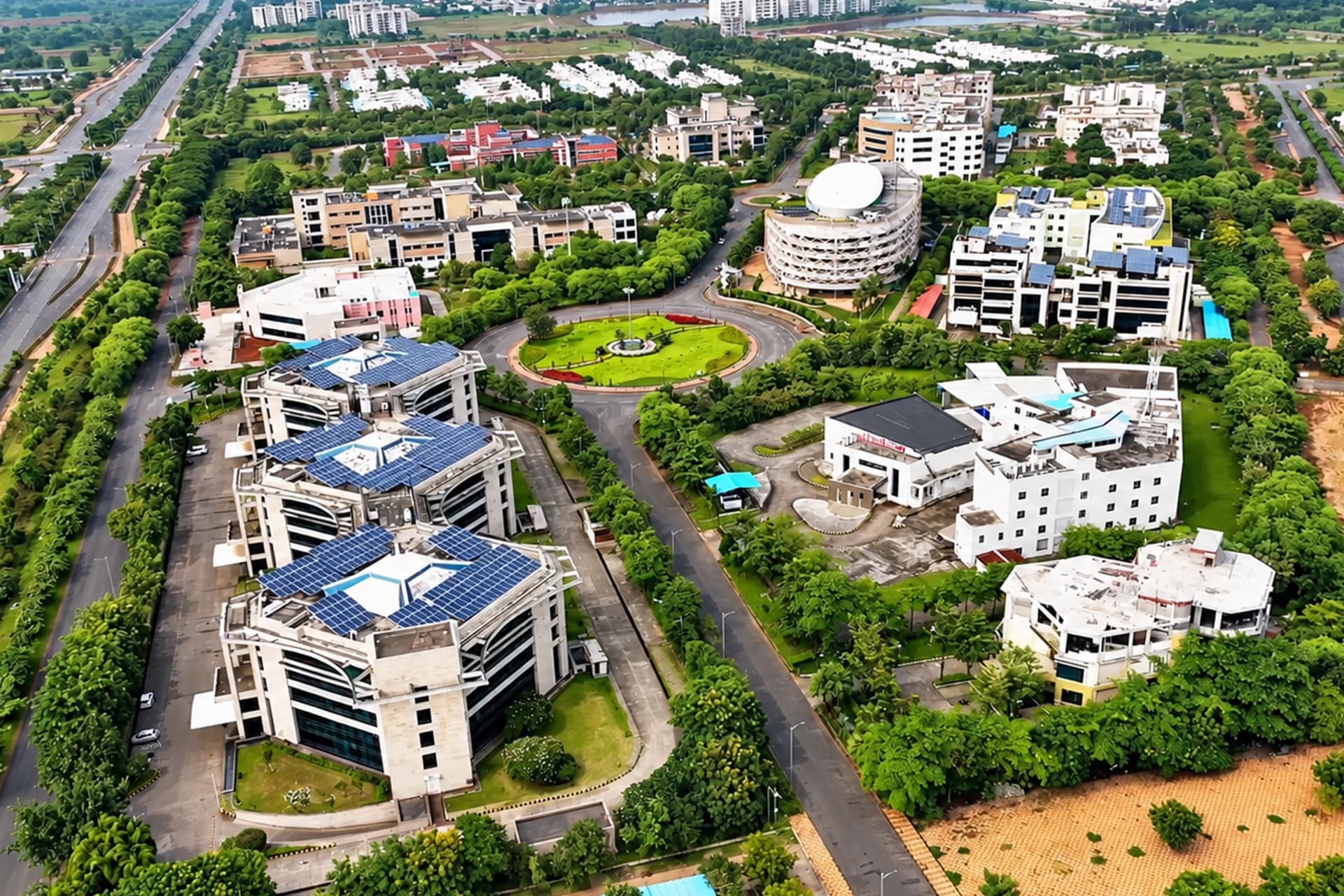
Chhattisgarh was established on 1 November 2000, with Raipur serving as the headquarters of both Raipur district and the Raipur Division. The city is known as the “Rice Bowl of India” because of its massive paddy production. But the story doesn’t end there. Over the past few years, the city has witnessed rapid growth across the industrial, tourism, logistics, and IT sectors, alongside its strong agricultural base.
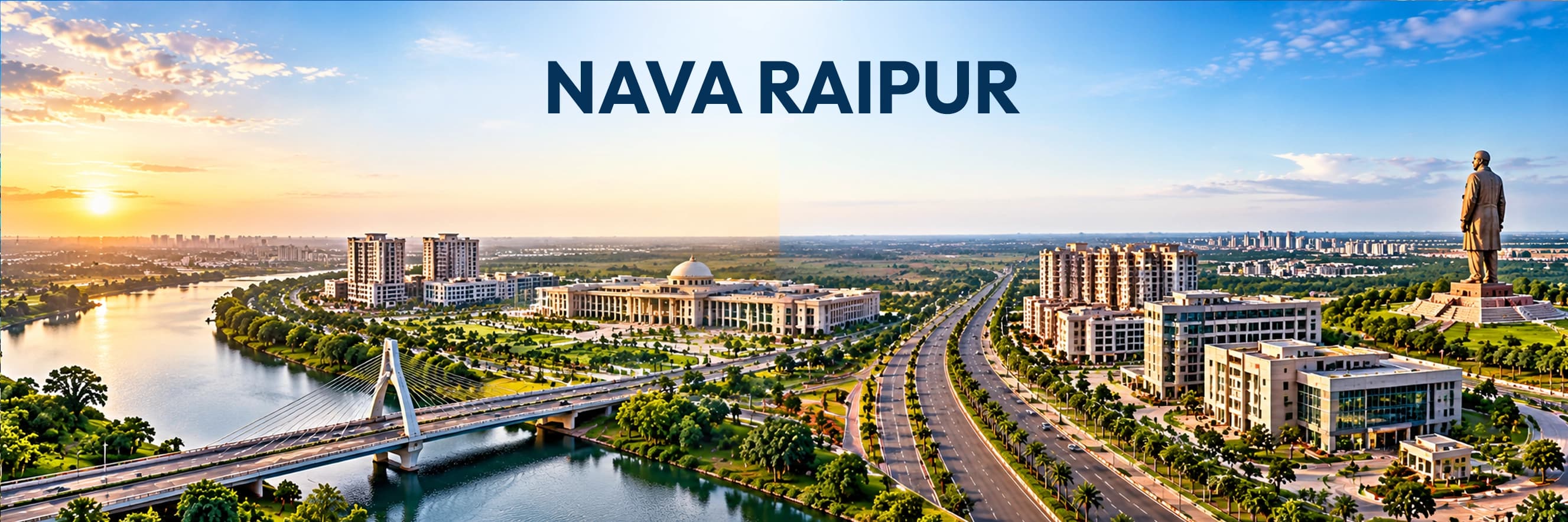
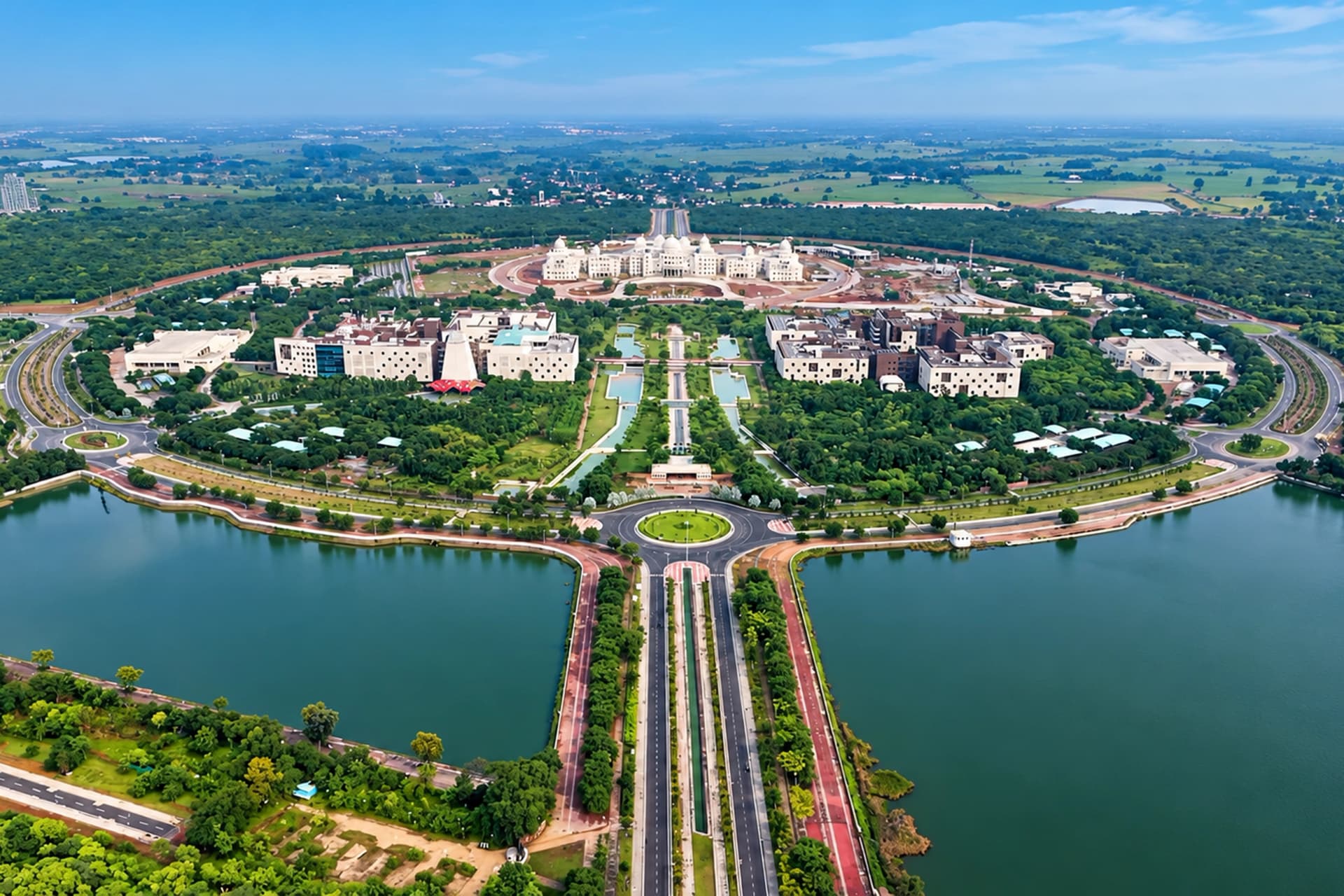
Situated between the Kharun and Mahanadi rivers, Raipur has witnessed significant real estate growth, driven by improving connectivity and rapidly developing industries and infrastructure. In 2003, seeing the growth potential of the city, a greater urban vision emerged, Nava Raipur, currently known as Atal Nagar.
Since its foundation, Nava Raipur is envisioned to replace Raipur as the capital of Chhattisgarh. Anticipated as India’s first integrated greenfield city, the project is yet to be completed even after 23 years of its announcement, becoming one of India’s most delayed megaprojects.
The city was planned around well-defined sectors, with residential, commercial, institutional, and administrative zones strategically located within easy reach of one another. Built around the concept of “Oxygen City,” the entire project is surrounded by 25% of lush green plantations. With the incorporation of smart infrastructure, command and control systems designed to monitor traffic, water supply, CCTV, emergency services, public utilities as well as safety alerts, it is expected to be finished by 2031. Additionally, major government institutions, including the State Assembly, Mantralaya, and other major government offices are situated here, some of which are yet to be operational.
Despite its well-planned modern infrastructure, the city failed to attract residents and businesses as it was originally anticipated. The central problem was the gap between physical infrastructure and the actual urban ecosystem. A city requires more than just modern infrastructure, residential projects and government buildings. To be a completely functional city, all the basic components like employment, schools, healthcare, and public transport should be interconnected.
Initially, Nava Raipur failed to attract as much population as was earlier anticipated. Residential occupancy remained relatively low compared to the large-scale infrastructure. The low occupancy invited limited businesses and fewer services, creating lower residential demand for the project.
For residents, connectivity is beyond structured roads. The physical distance between the ongoing project and established Raipur, along with limited public transportation, has greatly affected the city’s ability to attract more residents.
The development needs more than just administrative institutions. There should also be ample private-sector institutions comprising IT, industry, retail, and hospitality, providing employment opportunities across different sectors.
The democratically changing state government has quietly affected the focus on the project, eventually resulting in its delay.
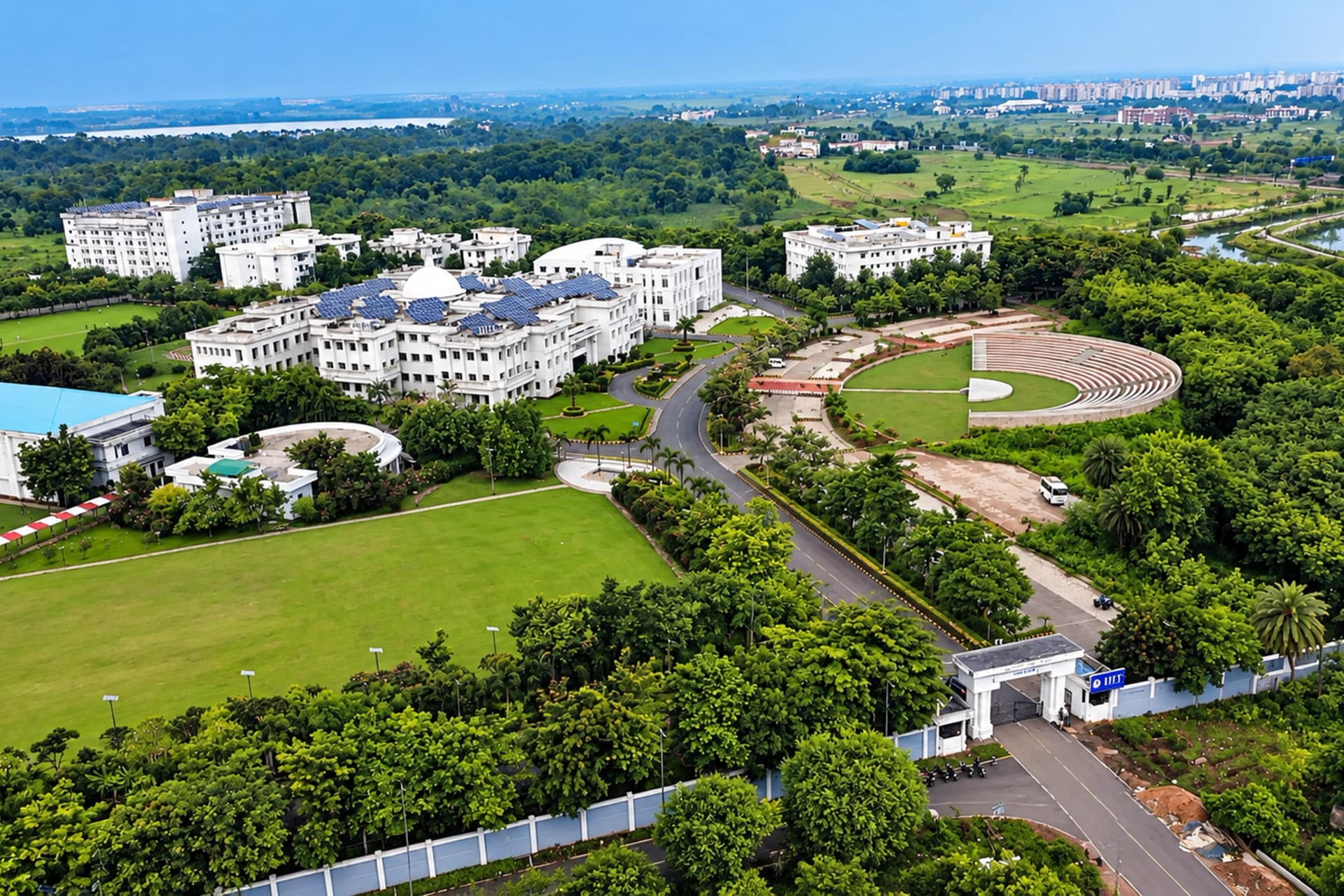
The answer is no. Calling Nava Raipur a complete failure overlooks what has been achieved. At the present time, the city has administrative buildings, established educational centres like IIIT and IIM, well-established IT companies, eco-friendly infrastructure, well-planned roads, smart systems with surveillance, and tourism facilities. Other required construction and development activities are also underway, and the city is expected to be fully operational in the coming years.
Nava Raipur’s story is not simply about what has been achieved so far, but about what the city can become in the years ahead. With planned infrastructure, government institutions, educational centres, green spaces and improving connectivity already in place, the city has a strong foundation for its next phase of growth.
As more businesses, institutions and residents move into the region, the demand for quality housing and well-planned residential communities could create new opportunities for the real estate market. For homebuyers looking beyond established city centres, Nava Raipur offers the appeal of a planned urban environment, expanding infrastructure and the potential to grow alongside the city.
The journey may have taken longer than expected, but Nava Raipur is still evolving. For those looking at the next wave of residential growth in Chhattisgarh, this emerging city could be a location worth watching and exploring early. The region offers a range of premium real estate developments, including Avinash New County, Sector 29 Township, GT Life Spaces, and Evaraa, catering to diverse lifestyle and investment needs.
Trusted and featured across India's leading news networks.
 City Insights
Compare prices, connectivity, rentals, infrastructure, and growth across Indore’s top corridors.
Read More